Are Peptides for Injury Recovery Safe for Athletes?
Peptides for Injuries

Injuries are a frustrating part of any athlete’s life. A sudden muscle strain, a tendon tear, or a ligament injury can throw training schedules off track and slow progress toward fitness goals. The discomfort, limited mobility, and uncertainty about recovery can be stressful and overwhelming. Many athletes wonder whether there are safe ways to support recovery and reduce downtime, and some peptides are being investigated for possible roles in tissue-repair processes.
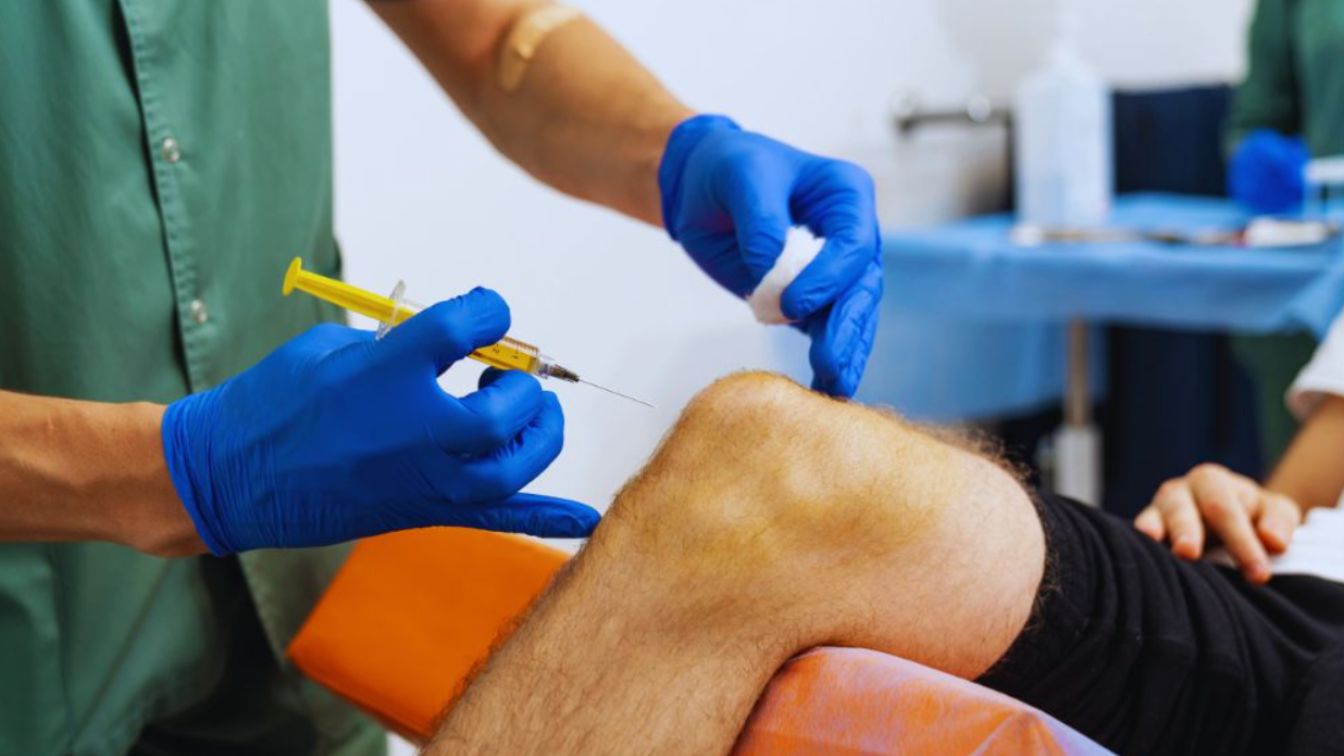
Medical professional administering an injection near a patient’s knee in a clinical setting.

Dr. Yeisel Barquin at Integrative Health Miami offers individualized evaluations and care plans and, when appropriate, may discuss the current evidence, risks, and regulatory status of peptide-related topics, depending on the patient’s circumstances, goals, and clinical assessment. When such substances are discussed, they are considered only within the context of a personalized care plan, and evidence for faster recovery or reduced downtime remains limited and investigational for many peptides. With careful guidance and a tailored approach, Dr. Yeisel Barquin focuses on evaluating each patient’s needs and discussing options that may be appropriate to consider for recovery, mobility, and overall health within evidence-based and regulatory frameworks.

Discuss your individual situation with a clinician
Call Integrative Health Miami at (305) 456-6026 Today!

 What Are Peptides Being Discussed for Injury Recovery?

Peptides are small chains of amino acids that act as building blocks for proteins in the body. Some peptides are being studied for possible roles in tissue repair and inflammation, but clinical evidence in humans remains limited. These peptide-based approaches are being explored in research related to muscles, tendons, ligaments, and joints. Peptides such as BPC-157 and TB-500 are sometimes discussed in certain sports-recovery or wellness communities; however, they are not FDA-approved for injury recovery, have limited human evidence for these uses, and their regulatory and anti-doping status should be reviewed carefully with a knowledgeable clinician. BPC-157 and TB-500 have been explored mainly in preclinical soft-tissue injury models, but human evidence remains limited, and their clinical use for injury recovery is not established or approved. Together, they are sometimes discussed in peptide-based approaches being investigated for tissue-repair support.

How Peptides May Affect Injury-Recovery Pathways

Some peptides have been studied for potential effects on pathways involved in tissue repair in laboratory or animal models, but whether they meaningfully affect healing in humans is still uncertain and under investigation.

Depending on the peptide, researchers have explored possible effects on collagen signaling, angiogenesis, inflammation, and tissue-repair pathways, but the clinical relevance in humans remains under study.

Some athletes inquire about peptide-related approaches for recovery, but evidence for shorter recovery times or reduced re-injury risk has not been firmly established. While peptides are not a replacement for traditional medical care, some clinicians may discuss them within broader recovery plans, depending on the patient’s circumstances and the available evidence.

Common Peptides Discussed for Injury Recovery

BPC-157

BPC-157 has been examined in preclinical models of muscle, tendon, and ligament injury, but its mechanisms, safety profile, and relevance to human injury recovery remain uncertain, and it is considered an unapproved, experimental substance. It is sometimes mentioned in recovery-related discussions, but evidence for faster recovery or reduced re-injury risk in humans is limited, and it should not be viewed as a proven adjunct therapy.

TB-500
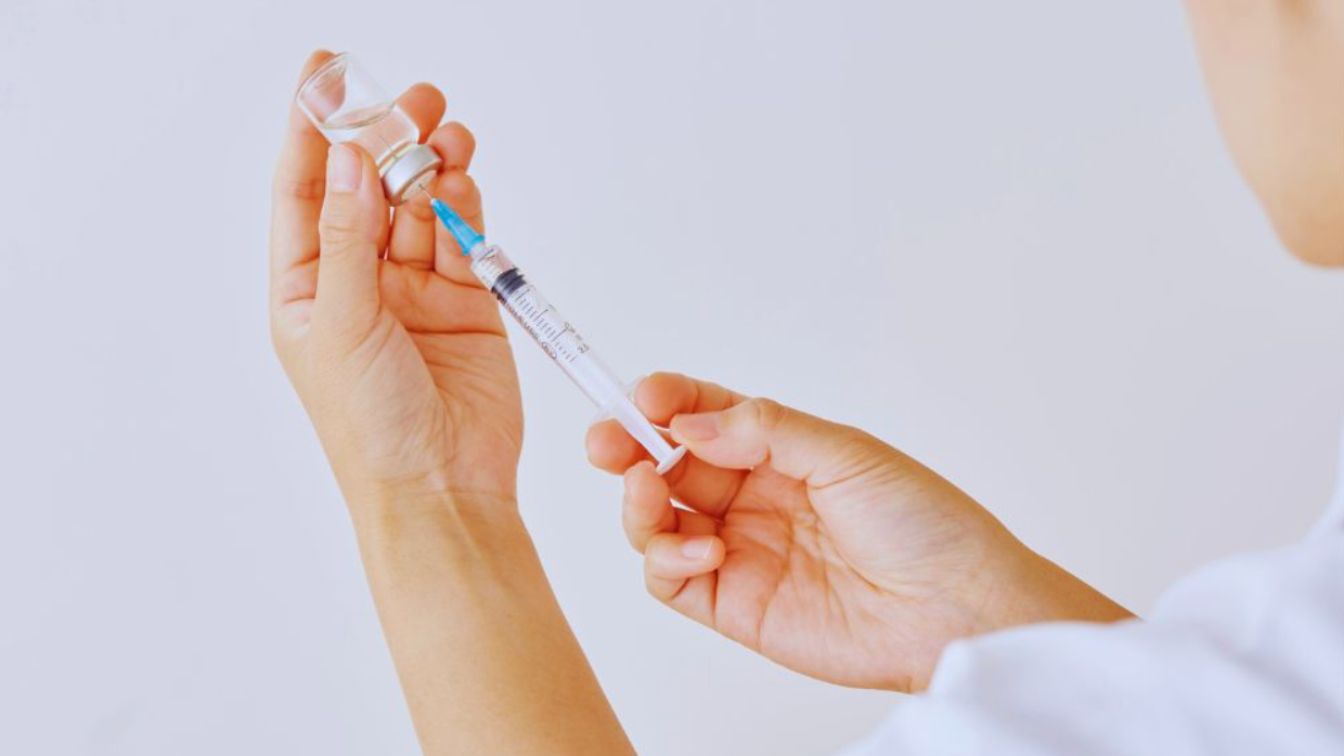
Healthcare professional preparing a syringe and vial in a clinical setting.

TB-500, a synthetic peptide related to thymosin beta-4 research, has been studied in experimental settings, but its safety, effectiveness, and any appropriate role in human sports-injury treatment have not been established, and it is considered an unapproved, experimental substance. Its effects on flexibility and mobility in humans have not been clearly established. Some athletes may encounter information about TB-500 for recovery; however, it is an unapproved experimental substance, may be prohibited under anti-doping rules depending on the governing body, and its limited clinical evidence and regulatory status should be reviewed carefully with a qualified professional before any consideration.

GHK-Cu

GHK-Cu has appeared in some skin and wound-healing research, but its safety, effectiveness, and any clinical role in ligament or tendon injuries have not been established, and it should not be considered a standard treatment for these conditions.

IGF-1

IGF-1 plays a role in normal muscle biology, but using IGF-1 for sports-injury recovery is not an established treatment approach and should not be pursued without explicit medical guidance and awareness of regulatory and anti-doping restrictions. Researchers have explored whether IGF-1-related pathways may affect muscle loss during inactivity, but clinical use for that purpose is not well established. Athletes should note that IGF-1 appears on the World Anti-Doping Agency (WADA) Prohibited List for substances banned in sport. Any consideration of IGF-1 in a rehabilitation context should account for its limited approved uses, potential risks, and anti-doping restrictions.

Note: In general, some peptide products discussed in clinical settings may be compounded preparations. Compounded drugs are not FDA-approved, and the FDA does not review them for safety, effectiveness, or quality before they are marketed.

Are Peptides Safe for Athletes?

This is the heart of the question: Are peptides for injury recovery safe for athletes? The honest answer is that it depends on the peptide, the dose, the source, your health, and the rules of your sport. Here are a few key points:

  • Many peptides promoted for injury recovery are still being studied primarily in animal models or limited early-stage human research and have not undergone the rigorous clinical trials required for regulatory approval.
  • Some peptides marketed for injury recovery are not FDA-approved for these uses and, in some cases, may fall into categories treated as unapproved drugs or prohibited substances. Their regulatory, compounding, and anti-doping status should be reviewed case by case with a licensed healthcare professional.
  • Many peptide hormones, growth factors, and related substances are prohibited under anti-doping rules, including under the WADA Prohibited List, and athletes should verify the status of any substance with their sport’s governing body or an anti-doping authority before use. It is essential to check your sport’s regulations before considering peptide therapy.

This means that even if peptides for injury recovery are discussed for potential tissue-repair effects, they may still involve unknown long-term safety risks and may not be legal or permitted in your sport.

What Researchers Are Studying About Peptide-Related Injury Recovery

Potential areas being studied in peptide-related research include tissue-repair pathways, inflammation, and recovery after injury, but potential benefits in humans have not been firmly established.
People Also Ask

  • What Should Patients Know Before Considering Peptides for Injury Recovery?

There isn’t a single peptide that works well for every injury. Any peptide being considered should be evaluated based on the tissue involved, the patient’s goals, the available evidence, and safety considerations. BPC-157 and TB-500 are sometimes mentioned in discussions about soft-tissue injuries based primarily on preclinical research, but their safety, effectiveness, and regulatory status for these uses remain uncertain, and they are not approved therapies for soft-tissue injuries. Any peptide-based approach should be evaluated alongside standard rehabilitation, with attention to evidence, safety, and sport-specific rules.


  • Will BPC-157 Heal Ligaments?

Preclinical studies have suggested that BPC-157 may influence certain pathways related to ligament repair and inflammation, but human evidence remains limited and does not establish safety or effectiveness. Some sources discuss BPC-157 in the context of rehabilitation, but evidence that it improves recovery or flexibility in humans is limited, and it should not be considered a proven treatment. Some anecdotal reports describe use during recovery from ligament strains or partial tears, but those reports do not establish efficacy.


  • What Does Current Research Say About BPC-157?

BPC-157 has been investigated for possible effects on tissue-repair and inflammation pathways, but clinical benefit in humans has not been clearly established, and it is not an approved treatment for injury recovery. Some anecdotal reports describe perceived improvements in recovery, but controlled human evidence remains limited, and treatment decisions should not be based on anecdotal reports. Any outcomes may vary depending on the individual situation, and peptide-based approaches should not be presented as established stand-alone treatments.

Considering Peptide-Based Approaches for Recovery

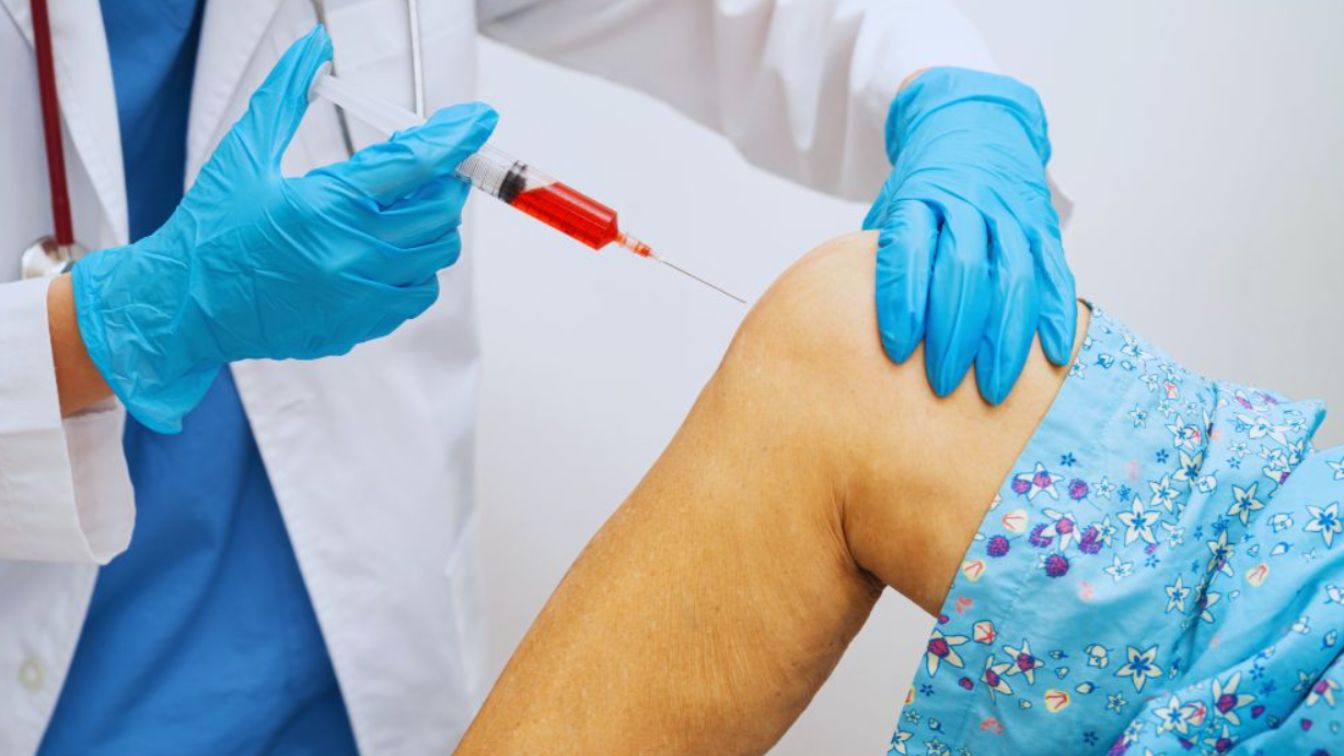
Doctor administering an injection near a patient’s knee during a clinical visit.

Peptides related to injury and recovery are being studied in various research and integrative-medicine settings, but any potential role in human repair processes, including muscles, tendons, and ligaments, has not been clearly defined or incorporated into standard-of-care guidelines. Because certain peptides have been evaluated in experimental models of tissue repair, researchers are continuing to study whether they have any appropriate role in injury or wound-healing care; at present, these uses are investigational and not established clinical treatments, and no claim of benefit is made. Ongoing research continues to explore how peptides might relate to injury and recovery.

At Integrative Health Miami, clinicians provide individualized evaluations and can discuss a range of evidence-informed recovery options, always within applicable regulatory and professional guidelines. Patients are encouraged to discuss regulatory, safety, and eligibility questions directly with their clinician. Some individuals share personal experiences after various therapies, but such anecdotal reports do not establish safety or effectiveness for peptide-based approaches, and no particular result should be expected or assumed. Results are not guaranteed.

Learn more about our individualized evaluation process and discuss with a clinician which evidence-informed recovery options, if any, may be appropriate for your situation.
Call Integrative Health Miami at (305) 456-6026 Today!

Medical Disclaimer: The information provided in this content is intended solely for general informational and educational purposes. It does not constitute medical advice, diagnosis, or treatment recommendations. Do not act upon or rely on any information contained herein without first consulting a licensed healthcare professional regarding your specific medical condition or concerns.

Health conditions and treatment needs vary from person to person. What is appropriate for one individual may not be suitable for another. Always seek guidance from your physician or another qualified healthcare provider before making decisions about your health, starting or stopping any treatment, or changing medications. Never disregard professional medical advice or delay seeking care because of something you have read in this content. In the event of a medical emergency, contact your physician, call 911, or visit the nearest emergency facility immediately.

For information regarding your rights as a patient in Florida, please refer to Florida’s legislation or regulations outlining your rights and responsibilities as a patient.

© All Rights Reserved.


from Integrative Health Miami | Dr. Yeisel Barquin https://integrativehealthmiami.com/are-peptides-for-injury-recovery-safe-for-athletes/
via Integrative Health Miami

Comments

Popular posts from this blog

Exciting Update: Dr. Yeisel Barquin of Integrative Health Miami Has Moved to a New Clinic Location in Miami

Health Risk Assessment: How Does It Work and Who Needs It?

Performance-Enhancing Peptides by Integrative Health Miami